
Healthy Hair Tips: A Complete Guide for Stronger, Shinier Hair
Introduction
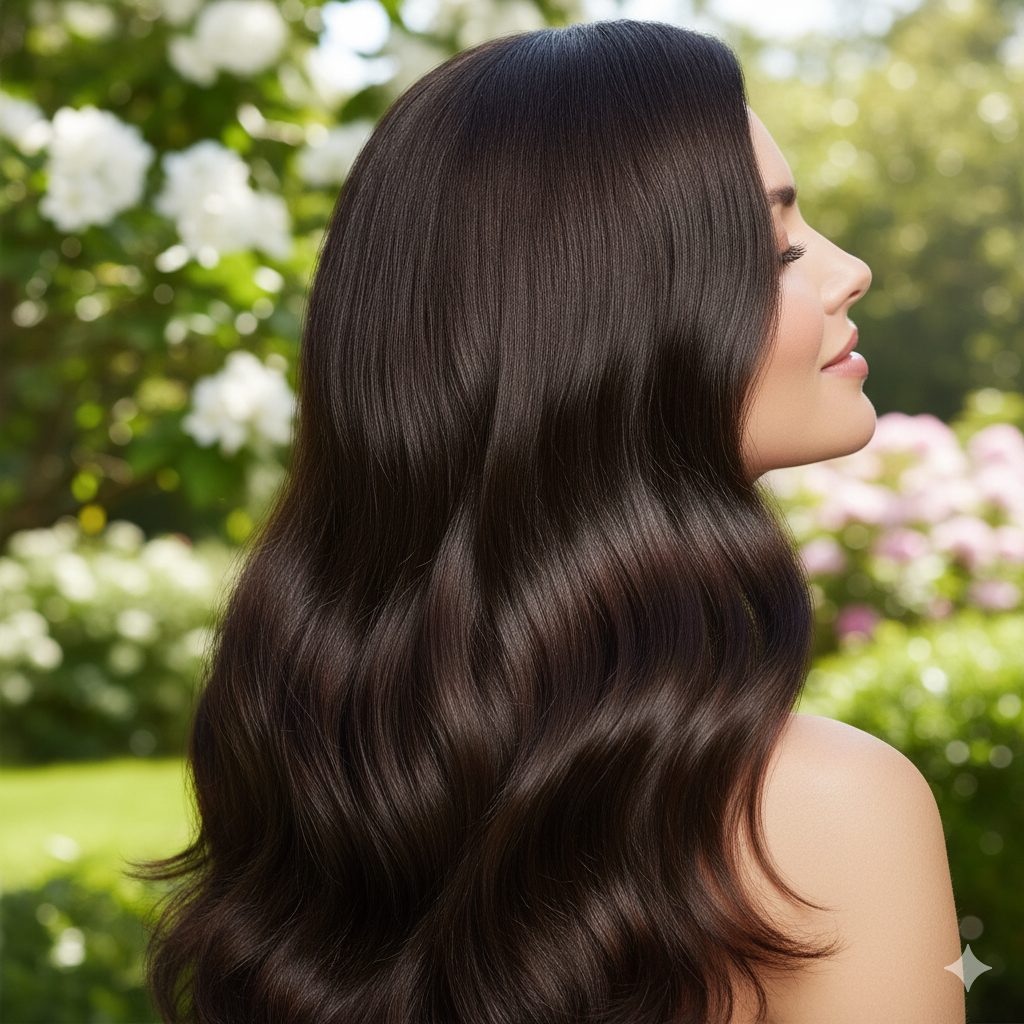
Healthy hair is more than just a beauty ideal — it’s a reflection of your overall well-being. Whether you’re managing frizz, tackling hair loss, or simply aiming for a shiny finish, the way you treat your hair daily plays a significant role in its appearance and strength. The good news is that you don’t need expensive treatments to maintain great hair. With consistent care, balanced nutrition, and a few expert-backed habits, you can achieve healthier, more vibrant hair naturally.
This guide provides practical, proven tips for maintaining healthy hair — tailored for all hair types and textures. Whether you have curly, straight, fine, or thick hair, these tips can help you build a strong foundation for growth, moisture retention, and long-term resilience. Plus, we’ve included helpful guidelines to ensure your content aligns with Google AdSense policies if you plan to publish this article online.
Understanding Hair & Scalp
Every hair care routine should begin with understanding your hair and scalp type. This foundational knowledge helps you choose the right products, frequency of washing, and styling techniques.
Hair types are generally categorized as:
- Straight
- Wavy
- Curly
- Coily

Each type behaves differently in terms of moisture retention, porosity, and response to products. For example, curly hair is naturally drier and more fragile, requiring richer moisturizers, while fine, straight hair may become oily quickly and need lighter formulations.
Scalp health is equally important. An oily scalp may require more frequent cleansing to prevent buildup, while a dry, flaky scalp benefits from hydrating shampoos and oils. Ignoring your scalp’s condition can lead to issues like dandruff, irritation, and even hair thinning.
Key signs of an unhealthy scalp include:
- Itching or flaking
- Excess oil or dryness
- Redness or bumps
- Hair shedding near the root
Recognizing your hair’s texture and scalp behavior allows you to create a care routine that supports growth and strength rather than causing damage. Remember: the healthier your scalp, the healthier your hair.
Washing & Cleansing
How often and how you wash your hair significantly affects its health.
Tips for optimal cleansing:
- Frequency matters: Oily scalps may need washing every other day, while drier hair types may only require once or twice weekly cleansing.
- Shampoo the scalp, not the ends: Focus on gently cleansing the scalp. Let the shampoo naturally rinse through the ends as you wash — this minimizes dryness and friction.
- Choose the right shampoo: Avoid harsh sulfates, parabens, and heavy fragrances. Instead, opt for mild, pH-balanced, and sulfate-free formulas, especially if you color or chemically treat your hair.
- Use lukewarm water: Hot water can dry out both your scalp and hair strands. A final cold rinse can help seal the cuticle and add shine.
If you’re prone to product buildup, consider using a clarifying shampoo once a month. However, overuse can strip natural oils, so moderation is key. Also, avoid washing your hair in a rush — take time to gently massage your scalp to stimulate circulation and release natural oils evenly.
Clean hair doesn’t mean squeaky hair — balance is essential.
Conditioning & Moisturization
Conditioning plays a critical role in maintaining hair softness, moisture, and manageability.
Everyday Conditioning Tips:
- Use a conditioner after every wash: This helps replenish moisture lost during shampooing and smoothens the hair cuticle.
- Apply mid-length to ends: These parts are older and more prone to dryness and damage. Avoid the scalp unless using a specific scalp conditioner.
- Leave it on for 2–5 minutes: Allow the conditioner to work into the hair shaft before rinsing.
Deep Conditioning:
Weekly treatments such as deep conditioners, hair masks, or oil soaks can add extra hydration and repair damage. Look for ingredients like:
- Shea butter
- Argan oil
- Coconut oil
- Keratin
- Aloe vera
- Panthenol
Leave-in Conditioners:
These are great for detangling, taming frizz, and adding lightweight moisture throughout the day.
Avoid Over-conditioning:
Using too much or heavy products on fine or low-porosity hair can cause buildup and weigh the hair down.
Hydration is key to hair elasticity and shine. Whether you use commercial or natural conditioners, consistency will improve softness, manageability, and overall hair resilience.
Detangling & Styling
Your styling routine can either protect or damage your hair depending on how it’s done.
Detangling:
- Be gentle: Use a wide-tooth comb or detangling brush. Start from the ends and move upward.
- Detangle when damp (not wet): Wet hair is more fragile. Lightly towel dry before detangling.
- Use detangling sprays or leave-in conditioners: These reduce friction and breakage during combing.
Styling:
- Avoid high heat: Frequent use of straighteners and curling irons can lead to dryness, split ends, and breakage. Always use a heat protectant spray.
- Air dry when possible: Letting your hair dry naturally reduces damage.
- Use protective styles: Braids, twists, and buns help reduce daily manipulation. However, avoid overly tight styles which can cause traction alopecia (hair loss from tension).
- Avoid rubber bands and metal clips: These snag and break hair. Use soft scrunchies or spiral hair ties.
Hair is most vulnerable when wet, heated, or pulled. Gentle detangling and smart styling help preserve length, texture, and integrity.
Scalp Care & Circulation
Healthy hair begins with a healthy scalp. Like soil for a plant, your scalp must be nourished and balanced for optimal hair growth.
Tips for scalp care:
- Massage your scalp: Just 3–5 minutes of gentle fingertip massage daily can improve blood flow and stimulate hair follicles.
- Use scalp-friendly shampoos: Choose sulfate-free cleansers and avoid harsh ingredients.
- Avoid scratching: Instead of using fingernails, massage or exfoliate gently to relieve itching.
- Try scalp serums or oils: Ingredients like peppermint oil, tea tree oil, and salicylic acid can improve scalp health — but always patch test first.
A clean, nourished scalp supports stronger, longer-lasting hair. If you notice irritation, bumps, or dandruff that doesn’t improve with mild products, consult a dermatologist.
Nutrition & Lifestyle
What you eat directly affects the health of your hair. Since hair is made of a protein called keratin, your diet plays a vital role in its growth and strength.
Key nutrients for healthy hair:
- Protein: Essential for hair structure (found in eggs, fish, beans, lentils).
- Iron & Zinc: Help prevent shedding (found in leafy greens, nuts, meat).
- Biotin: Supports hair and nail health (found in whole grains, eggs).
- Vitamin D & E: Aid follicle health and shine (from sun, seeds, and fatty fish).
- Omega-3 Fatty Acids: Boost hydration and elasticity (from flaxseeds, walnuts, salmon).
Other lifestyle factors:
- Stay hydrated: Water supports healthy cell function.
- Manage stress: Chronic stress can trigger hair shedding (telogen effluvium).
- Get enough sleep: Rest allows the body to repair, including your hair.
- Avoid crash dieting: Sudden weight loss often leads to temporary hair loss due to nutritional deficiency.
Balanced nutrition fuels the growth cycle and supports overall scalp and strand health.
Home Remedies & Natural Treatments
Many natural ingredients can support hair health when used correctly.
Popular natural remedies:
- Coconut oil: Penetrates the hair shaft, reduces protein loss.
- Castor oil: Believed to promote hair density and shine.
- Aloe vera: Soothes scalp irritation and provides moisture.
- Yogurt or eggs: Used in DIY masks for protein and shine.
- Apple cider vinegar (diluted): Acts as a clarifying rinse to remove product buildup and balance pH.
Application tips:
- Always patch test to check for allergies or sensitivity.
- Avoid overuse of oils — too much can block follicles and require harsh cleansing.
- Use clean utensils and containers when making DIY treatments.
- Leave treatments for 15–30 minutes before washing out.
Caution:
While natural remedies are often beneficial, they’re not instant cures. Avoid any treatment that claims to reverse baldness or regrow hair overnight — those are likely exaggerated or false.
Consistency and proper usage make home treatments a useful part of your routine.
Regular Maintenance & Trims
Just like plants benefit from pruning, your hair thrives when trimmed regularly.
Why trim your hair?
- Removes split ends that travel up the strand.
- Helps maintain shape and style.
- Prevents tangling and breakage.
How often should you trim?
- Every 8–12 weeks for
most hair types.
- If you use heat or color frequently, you may need more frequent trims.
Other maintenance tips:
- Use a silk or satin pillowcase to reduce friction while sleeping.
- Cover your hair in harsh weather or when swimming (chlorine/salt can cause damage).
- Switch products seasonally — lighter formulas in humid weather, richer ones in dry climates.
Routine care and small maintenance steps can prevent big problems later.
Myths & Misconceptions
Let’s clear up some common hair myths:
- ❌ Myth: Cutting your hair makes it grow faster.
✅ Truth: Hair growth happens at the scalp. Trimming helps remove split ends but doesn’t influence growth rate. - ❌ Myth: You should brush your hair 100 strokes a day.
✅ Truth: Over-brushing can cause breakage. Detangle gently and only as needed. - ❌ Myth: Shampooing causes hair loss.
✅ Truth: Hair naturally sheds daily. Shampooing only removes hairs that are ready to fall. - ❌ Myth: Oiling your hair overnight always helps.
✅ Truth: Some hair types benefit, but too much oil can clog pores or cause scalp irritation.
Understanding the facts helps you make better hair care choices.
Monitoring & Adjustment
Healthy hair routines are not one-size-fits-all. Regularly monitor your hair’s condition and adjust accordingly.
- Is your scalp getting oily faster than usual?
- Are you noticing more breakage?
- Has the season or humidity changed?
Track changes every 4–6 weeks, especially when trying new products. If a routine causes irritation or dullness, consider reducing frequency or switching formulations.
Listen to your hair’s needs — it tells you when something’s off.
Conclusion & Call to Action
Healthy hair starts with understanding and consistent care. From washing techniques to scalp care and nutrition, every step contributes to the bigger picture. There’s no magic product — just good habits and time.
Start small: swap your shampoo, reduce heat styling, or add a weekly oil treatment. Your hair will thank you.
If you found this article helpful, consider sharing it with others or bookmarking it for your next hair care check-in. For long-term results, treat your hair like a plant — nourish it, protect it, and be patient as it grows


